BMW Retrofits: What Is Normal, What Is Risky, and How to Detect Modifications Properly
Modified BMW? Distinguish between safe OEM upgrades and risky aftermarket hacks. Learn how to use the Factory Build Sheet to detect dangerous electrical modifications and missing parts.

What Vehicle Retrofits Really Are
Vehicle retrofits refer to hardware or software modifications added after a car leaves the factory. These changes can range from practical upgrades to cosmetic or feature-related additions.
Some retrofits are performed using original parts and follow manufacturer-approved procedures, while others rely on aftermarket components or unofficial software changes.
Understanding the difference is essential, because not all retrofits affect a vehicle in the same way.
Which Retrofits Are Generally Considered Normal
Certain retrofits are widely accepted and relatively low risk when installed correctly. These usually include original equipment hardware upgrades, factory-style options added using compatible components, or features activated through approved procedures.
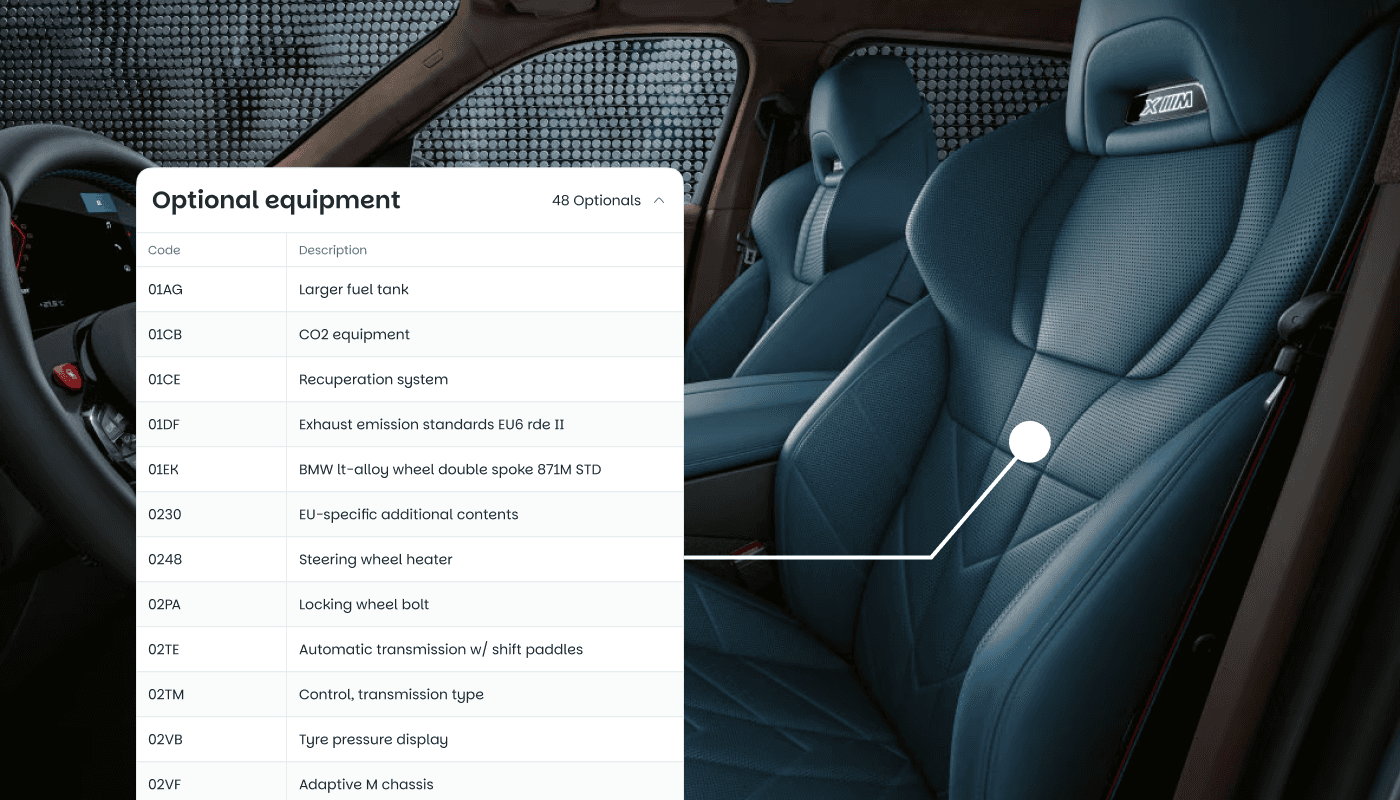
When done properly, such retrofits integrate cleanly with the vehicle’s existing systems and do not disrupt service records, maintenance logic, or system diagnostics. Reviewing a vehicle’s configuration history helps determine whether changes align naturally with its original setup.
Want to understand what changes were made to a vehicle and whether they are legitimate?
Check your VIN and review the vehicle’s configuration and history data
Why Some Retrofits Can Be Risky for Buyers
Risky retrofits often involve unofficial software coding, incompatible components, or modifications that bypass factory logic. These changes can lead to system instability, hidden errors, or issues that surface only after extended use. In some cases, risky retrofits also mask deeper problems or previous damage.
Verifying how a vehicle was modified, and whether those changes are consistent with its history, helps buyers avoid unexpected repairs and reliability issues.
Ready to review a car’s history before you buy?
Run a VIN check and access a detailed vehicle history report